










Hospitality & Catering
"Hospitality and Catering is more than learning to cook—it's about helping students achieve, belong and thrive through developing skills that last a lifetime."
Hospitality and Catering is a dynamic and engaging subject that combines practical skills with academic knowledge. Students explore the hospitality and catering industry while developing an understanding of nutrition, food science, food safety, sustainability, customer expectations and the principles of successful food production.
Our curriculum inspires creativity, independence and a lifelong appreciation of food. Through a balance of practical cooking and theoretical learning, students develop the confidence to make informed decisions about food, wellbeing and healthy living, whilst gaining valuable employability skills that prepare them for further education, future careers and independent life.
Students are encouraged to think creatively, solve problems, work collaboratively and communicate effectively. Whether they aspire to a career within the hospitality industry or simply want the confidence to prepare nutritious meals for themselves and their families, Hospitality and Catering equips students with the knowledge, skills and experiences that will benefit them throughout their lives.
"Hospitality and Catering has taught me to try new things, work under pressure and collaborate with others. The best part is seeing people enjoy the food I've made."
– Alfie, Year 10
Key Stage 4
At Key Stage 4, students study the WJEC Level 1/2 Vocational Award in Hospitality and Catering, a nationally recognised qualification equivalent to GCSE level.
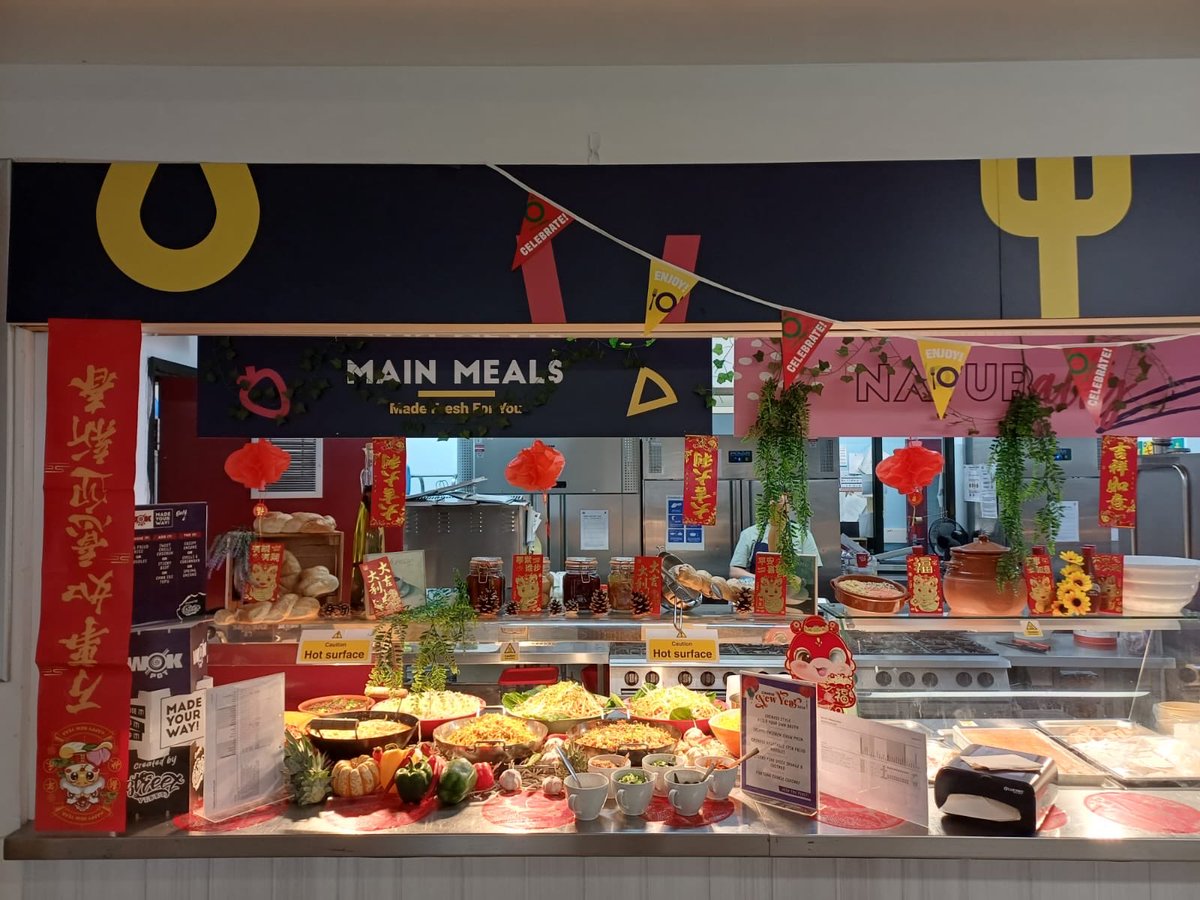
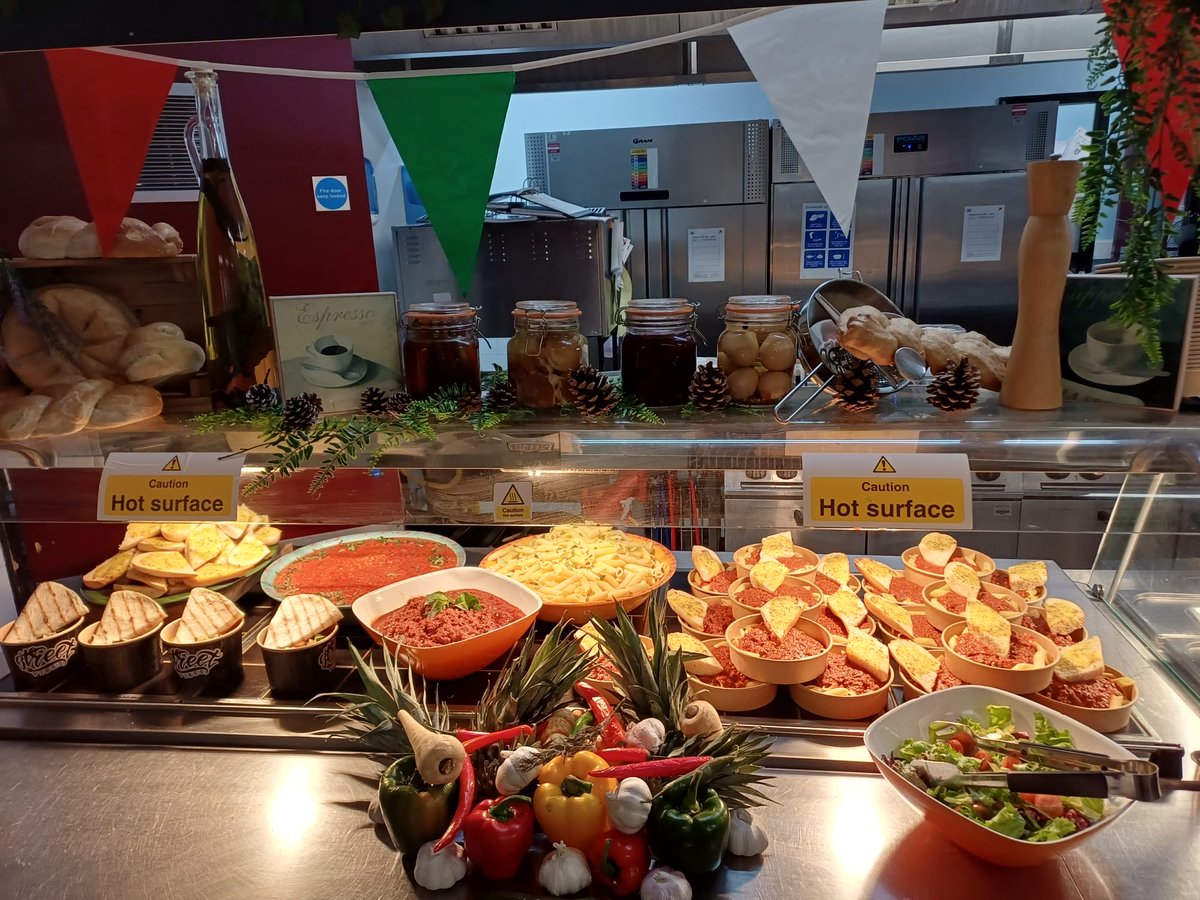
The course develops both practical expertise and theoretical understanding of the hospitality and catering industry. Students investigate how the industry operates before applying their knowledge through planning, preparing, cooking and evaluating nutritious dishes for a variety of customers and hospitality settings.
Throughout the course, students develop knowledge and understanding of:
-
The hospitality and catering industry
-
Health and safety in hospitality and catering
-
Food safety and hygiene
-
Nutrition and healthy eating
-
Food provenance and environmental sustainability
-
Menu planning and adapting recipes to meet different dietary requirements
-
Kitchen organisation and time management
-
Food preparation, cooking and presentation techniques
-
Customer needs and expectations
-
Evaluating food choices and practical outcomes
Alongside subject knowledge, students develop valuable transferable skills including:
-
Communication
-
Teamwork and leadership
-
Creativity and innovation
-
Organisation and time management
-
Problem-solving and decision-making
-
Critical thinking
-
Independence and resilience
These transferable skills are highly valued by employers and support students across all areas of learning and future employment.
Career opportunities include:
-
Chef
-
Pastry Chef
-
Catering Manager
-
Restaurant or Hotel Manager
-
Event Manager
-
Food Product Developer
-
Nutrition Assistant
-
Hospitality Supervisor
-
Front of House Manager
-
Entrepreneur or Small Business Owner
The teamwork, communication, organisation and problem-solving skills developed throughout the course are highly transferable, making Hospitality and Catering an excellent foundation for success across many different professions.
"Hospitality and Catering has encouraged me to be creative while building confidence and skills that I know will help me in the future, whatever career I choose."
– Jamie, Year 10
Beyond the Classroom
Hospitality and Catering extends learning beyond the curriculum by providing opportunities for students to develop the confidence, independence and practical skills needed for adult life.
Our Sixth Form Cooking Enrichment programme continues to provide students with opportunities to prepare for life beyond school through practical, hands-on learning. Students develop the skills to prepare nutritious meals on a budget, build confidence in meal planning and food preparation, and learn how to recreate healthier versions of everyday favourites.
The programme also introduces students to enterprise, encouraging them to explore how their culinary skills can be developed into business opportunities while building creativity, financial awareness and entrepreneurial thinking.
By combining healthy living, budgeting, practical cookery and enterprise, Hospitality and Catering equips students with skills that extend far beyond the classroom and prepare them for university, apprenticeships, employment and independent living.
"Hospitality and Catering isn't just about preparing food—it's about preparing students for life."